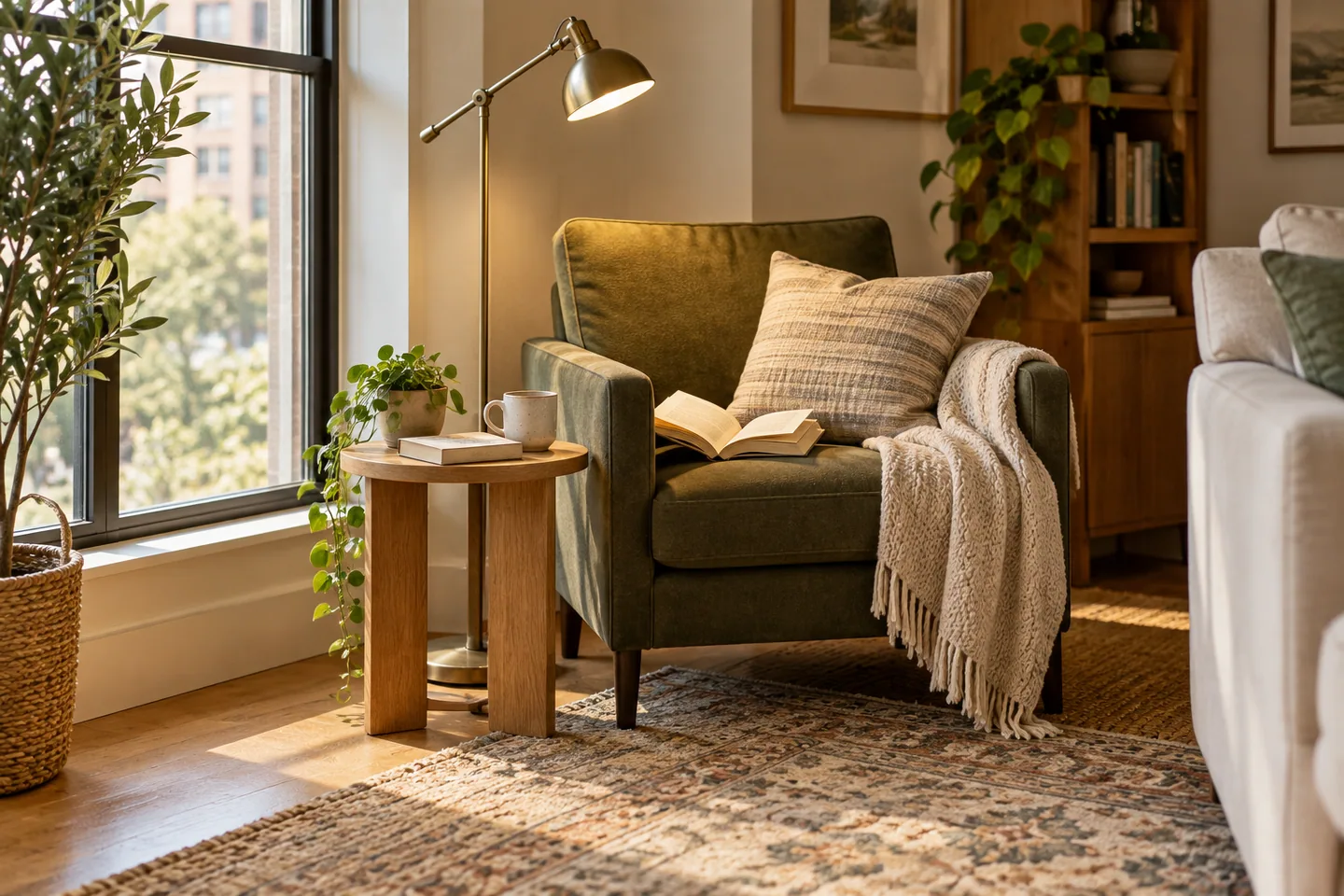
You do not need a bay window or a built-in bench to make a reading nook. You need a seat you want to stay in, light on the page, and somewhere to put your book when you get up.
Before buying a chair, look at the places where you already read. A lamp and a better side table might fix the problem. If you do need a separate seat, these seven setups offer different ways to use a small room.
1. Use one end of the sofa
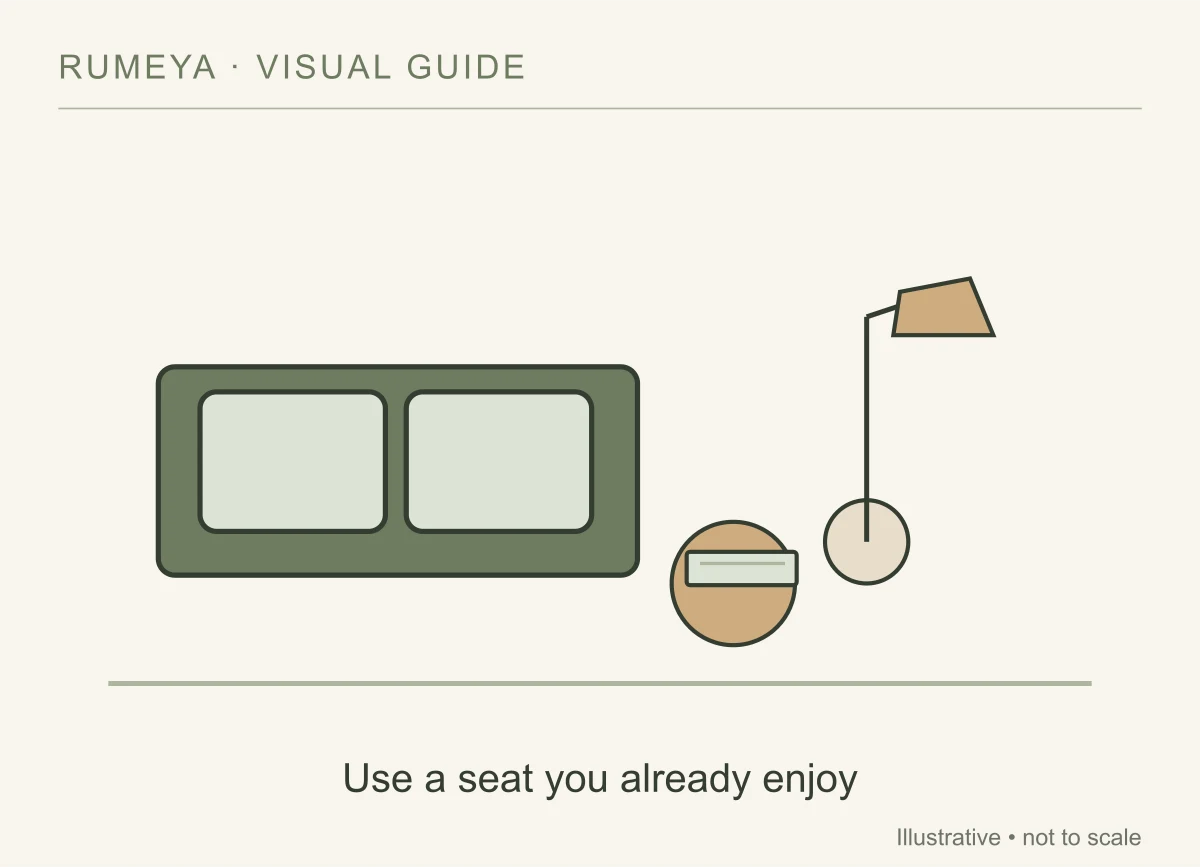
Make the sofa arm you already favor your reading spot. Add a light that reaches the pages and a small surface within easy reach. Keep your current book nearby instead of moving an entire book collection into the living room.
This is a good option when another chair would narrow the walkway. A basket can hold a blanket, but skip it if it becomes one more thing to step around. The existing seat should determine the arrangement.
2. Turn an unused bedroom corner into a chair nook
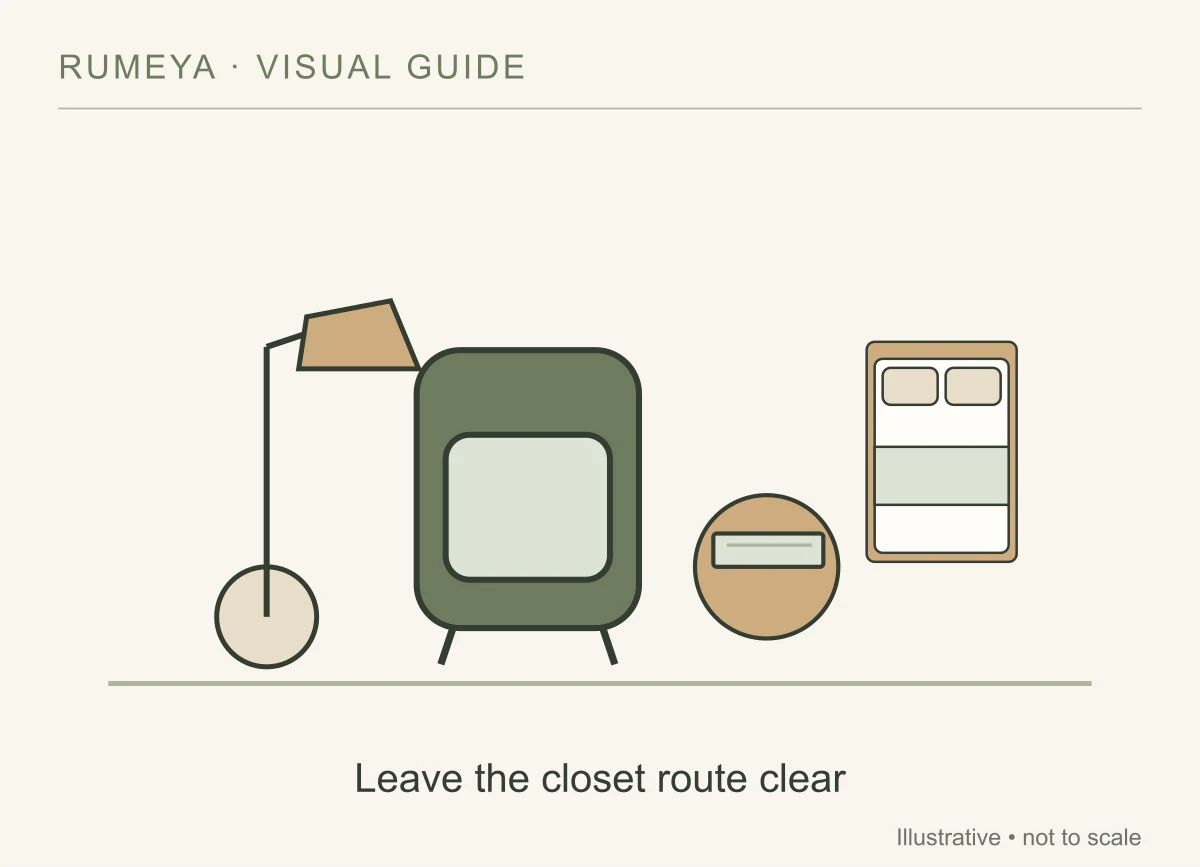
Place a compact chair where it will not block the closet or the route around the bed. Test the corner with a chair from another room first. Sit down with a book, put your feet where they normally go, and check how much space your body needs beyond the chair’s outline.
A narrow seat is not useful if it is uncomfortable for you. Compare seat depth, arm height, and the overall footprint. If the bedroom is already tight, adapting a bed for occasional reading may be more realistic than forcing in a chair.
3. Set up beside a window, not in front of its access
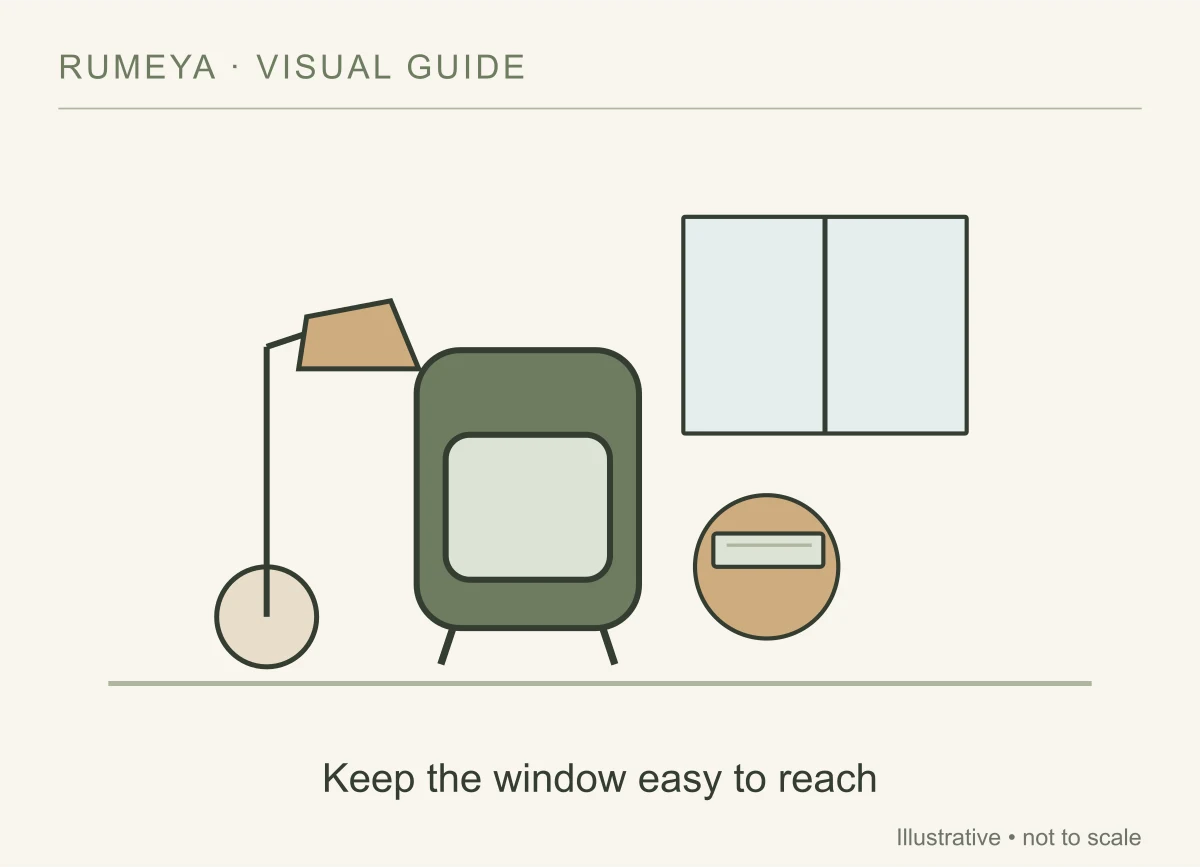
A spot near a window gives you a view and daytime light. Turn the seat slightly to see whether that reduces glare on a screen or page. Keep a way to open the window and operate its shade or curtains.
Visit the spot at the hour you usually read. A bright afternoon corner can be dim at breakfast or after dinner. Include a lamp if you plan to use the space after daylight fades, and leave heating equipment clear according to its instructions.
4. Pair a chair with an adjustable floor lamp
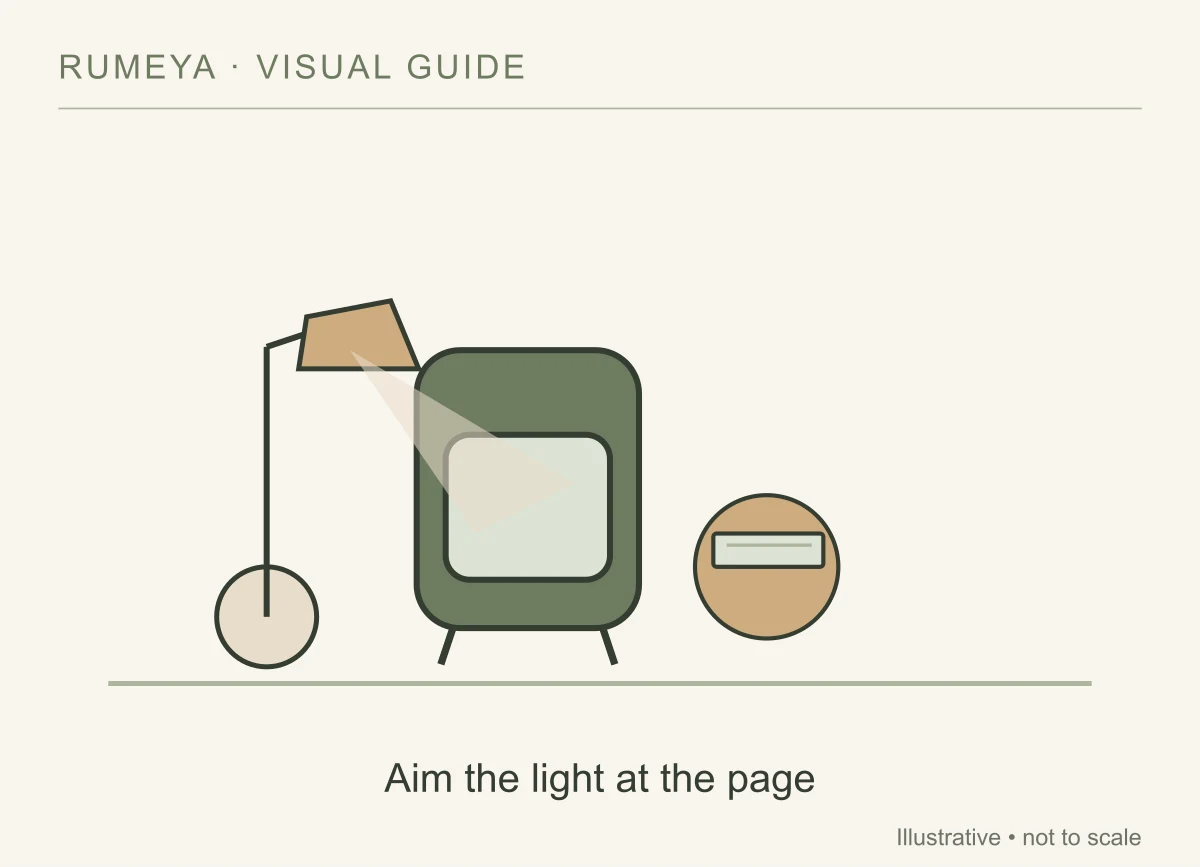
When there is no room for a lamp on a table, put the light on its own base. Measure the base and the full reach of the arm, not just the narrow stem. Some lamps occupy considerably more floor area than their photos suggest.
Position the light so it reaches the book without shining directly into your eyes. Test the angle while sitting normally. Keep the cord behind furniture where practical, without routing it across the walking path.
5. Add a small table to an existing armchair
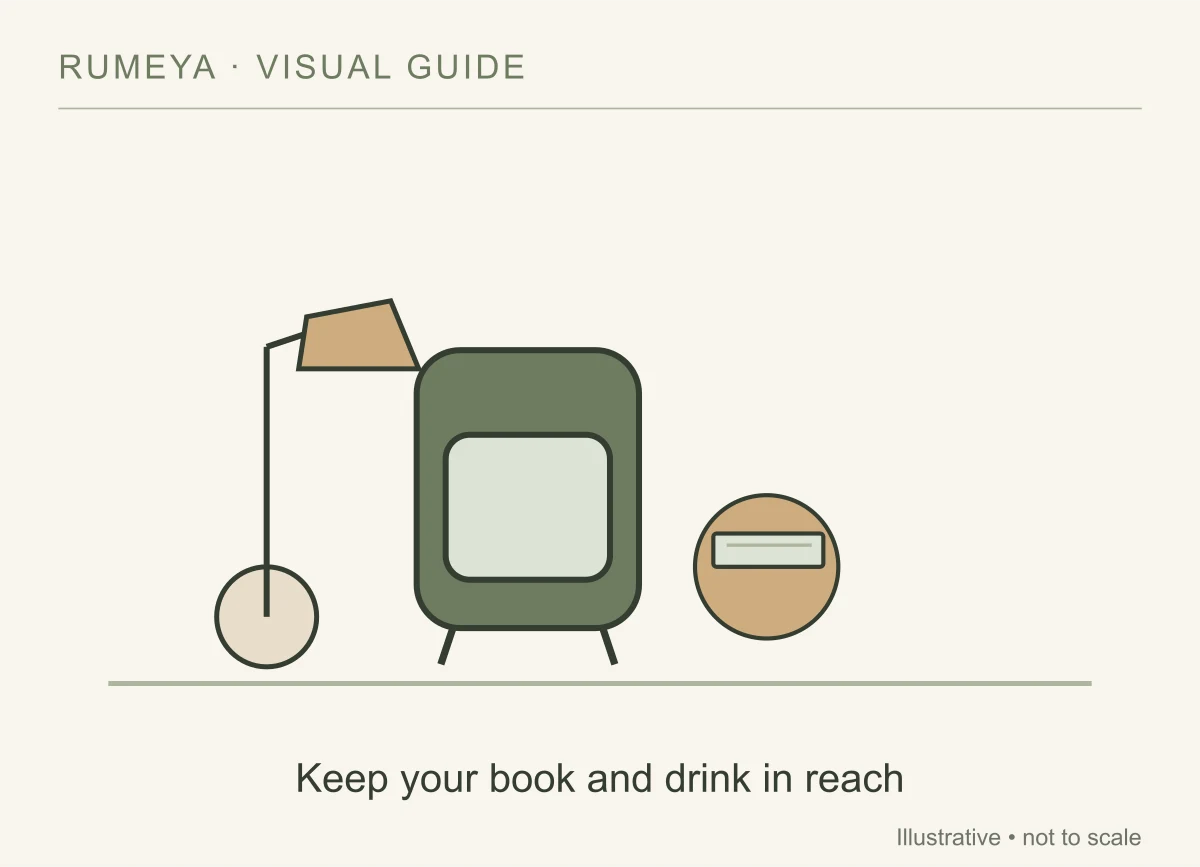
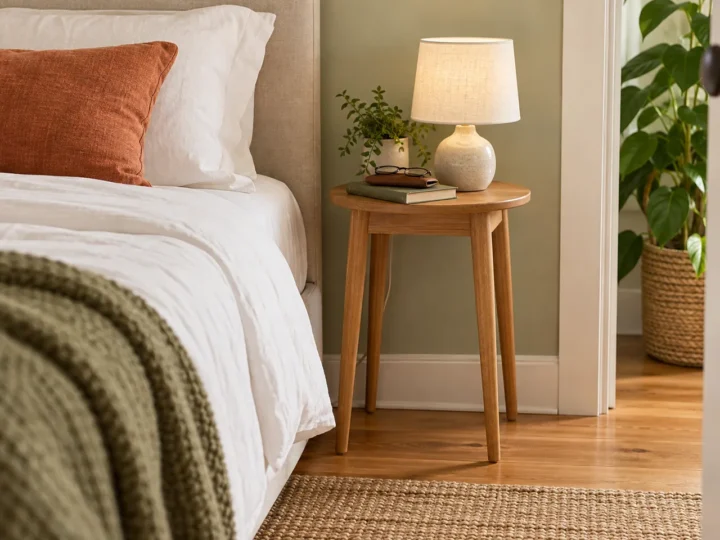
Sometimes a room already has the right chair but nothing nearby for glasses or a mug. A stable drink table or a narrow end table may be the only addition needed. Check whether you can reach it without leaning around the chair arm.
Use a paper template to compare tabletop shapes. A round top can be convenient beside a rounded chair; a rectangular surface may fit better against a wall. The shape that fits your room matters more than matching every other piece.
6. Use a bench that is already part of the room
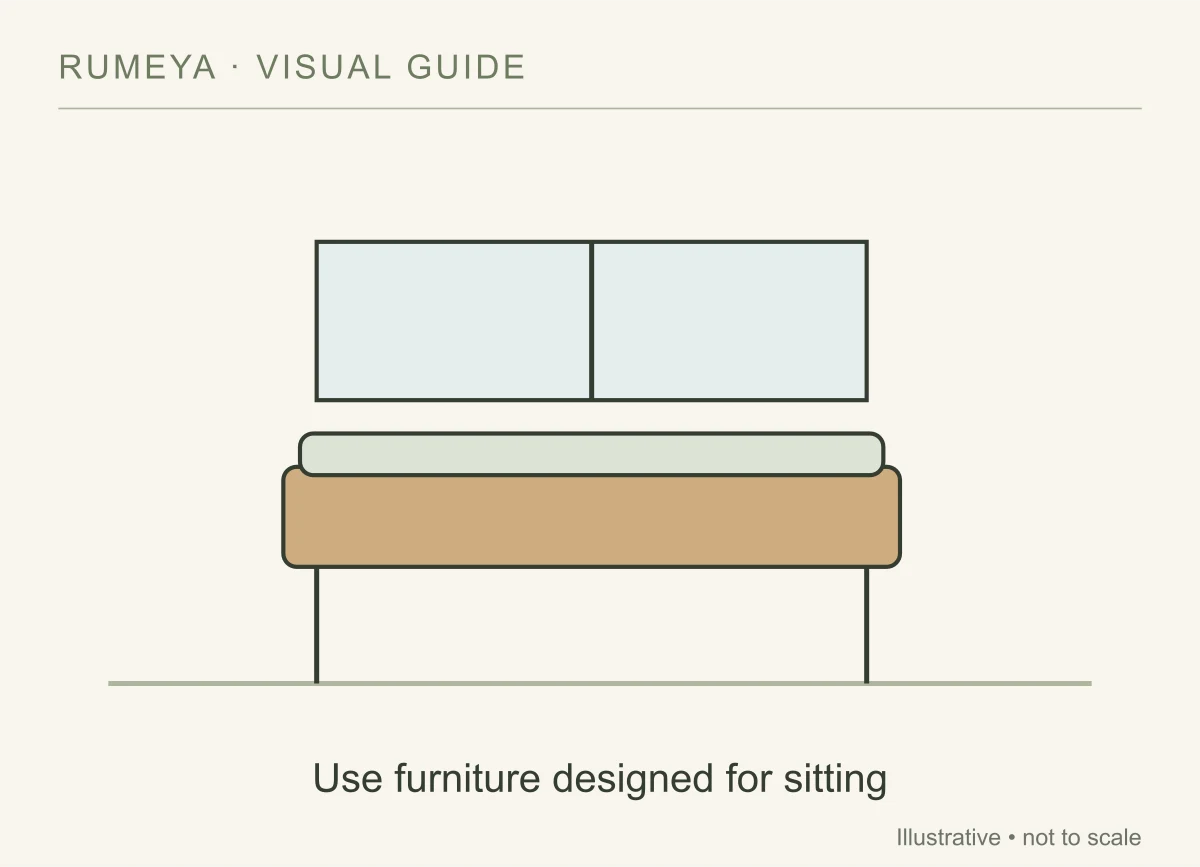
An existing window bench or a suitably designed seating bench can become a reading spot with a comfortable cushion. Check the seat’s intended use, dimensions, and weight rating. A low storage cabinet should not automatically be treated as a seat.
Keep the cushion removable so you can clean underneath it and reach any storage. Try the position for a whole chapter before decorating around it. If the bench leaves your back unsupported or your legs awkwardly positioned, another seat may be a better choice.
7. Give a multipurpose corner a reading setup
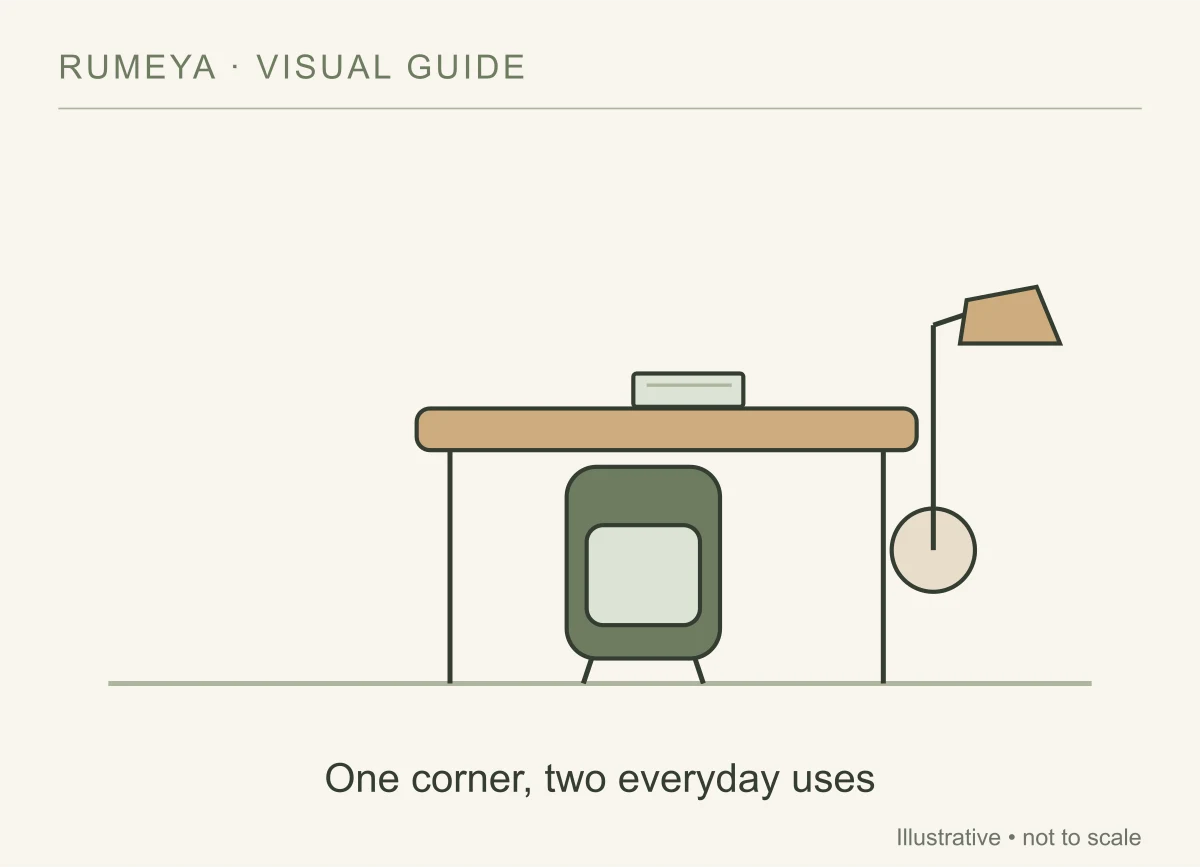
A studio corner may need to work as a workspace by day and a reading spot later. Keep the reading supplies in one small tray or basket so you can change uses easily. You may only need to move the lamp head and clear the desk surface.
Avoid solving the second use with a second full set of furniture. One chair that suits both activities can be more useful than two compromised seats. If you need a footstool, choose where it will go when it is not in use.
Choose a setup for the space you actually have
| Your situation | Start with | Check before adding more |
|---|---|---|
| No floor space for another chair | The end of your sofa | Reach to light and a drink surface |
| Unused bedroom corner | An existing chair as a trial | Closet doors and route around the bed |
| Window spot with evening use | Seat plus adjustable light | Glare, window access, and power |
| Studio or shared workspace | One adaptable corner | How quickly you can switch uses |
A quick photograph can help you notice clutter, but sitting in the space tells you more about whether it works. Keep your shoulders relaxed, put the book where you naturally hold it, and notice which items you keep reaching for.
Make lighting and storage work together
An adjustable wall light is another option when you can install one appropriately. For example, the IKEA NYMÅNE reading lamp illustrates this type of fitting. Use the instructions and mounting requirements for the exact light you choose; a small fixture still needs a suitable wall attachment.
Keep a few current books nearby and leave the larger collection elsewhere if it crowds the chair. If you add a bookcase, follow its anti-tip requirements. The CPSC recommends securing furniture to help prevent tip-overs.
For a nook at the end of a long living room, compare it with the two-zone option in our narrow living room layout guide.
Try it before you shop
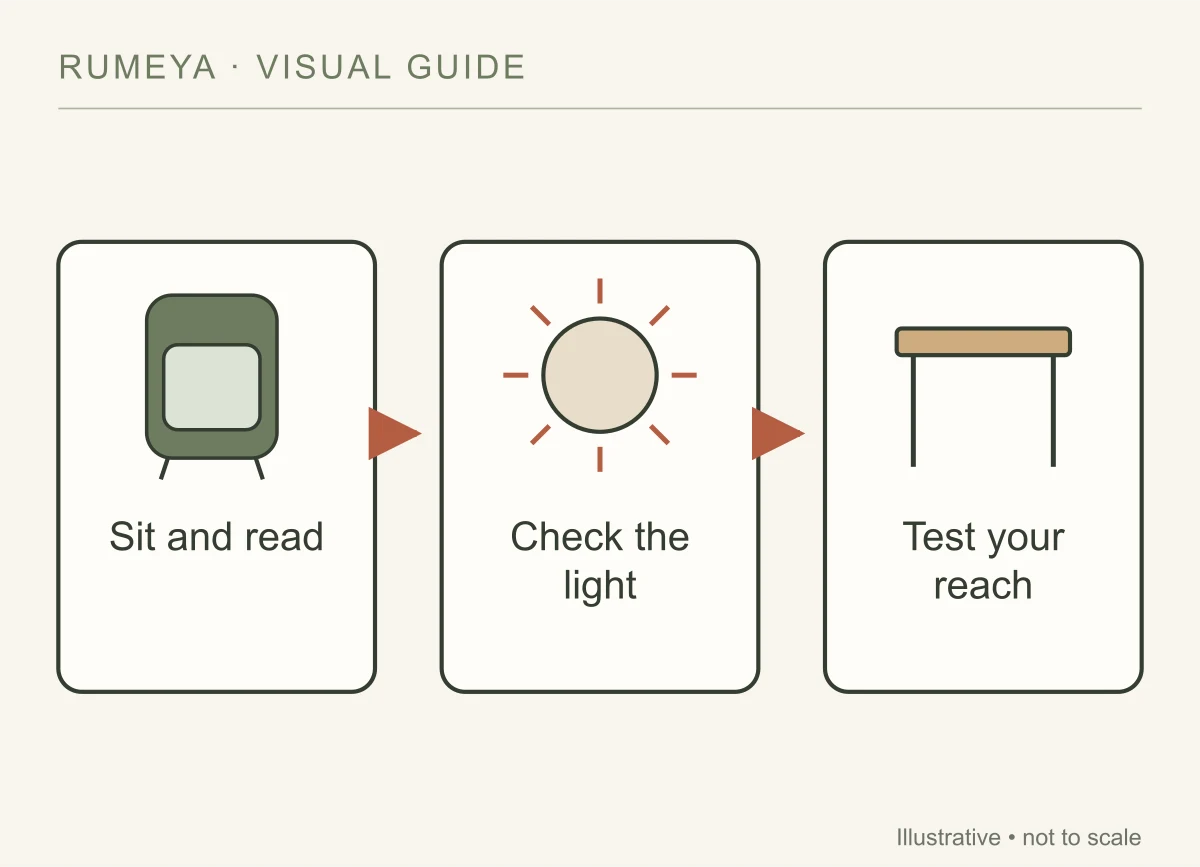
- Read in the proposed spot at your usual time of day.
- Check the chair and your feet fit without blocking a route.
- Reach for a book and drink without twisting around furniture.
- Make sure lamp glare and cords are not a problem.
- Keep only the books and accessories you use there.
Common questions
How small can a reading nook be?
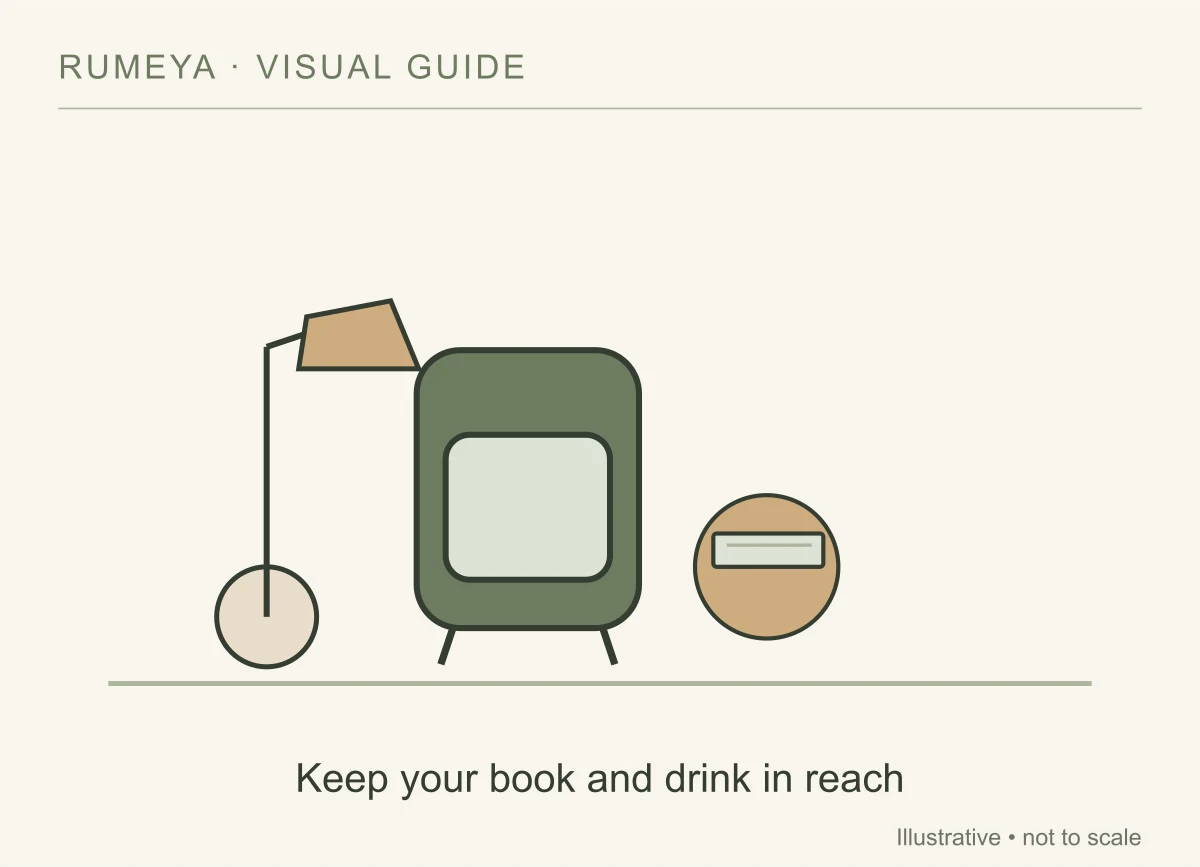
There is no single useful minimum. Start with the actual seat, space for your legs, and a clear way in and out. An existing sofa corner can qualify without adding a separate furniture footprint.
Do I need a rug?
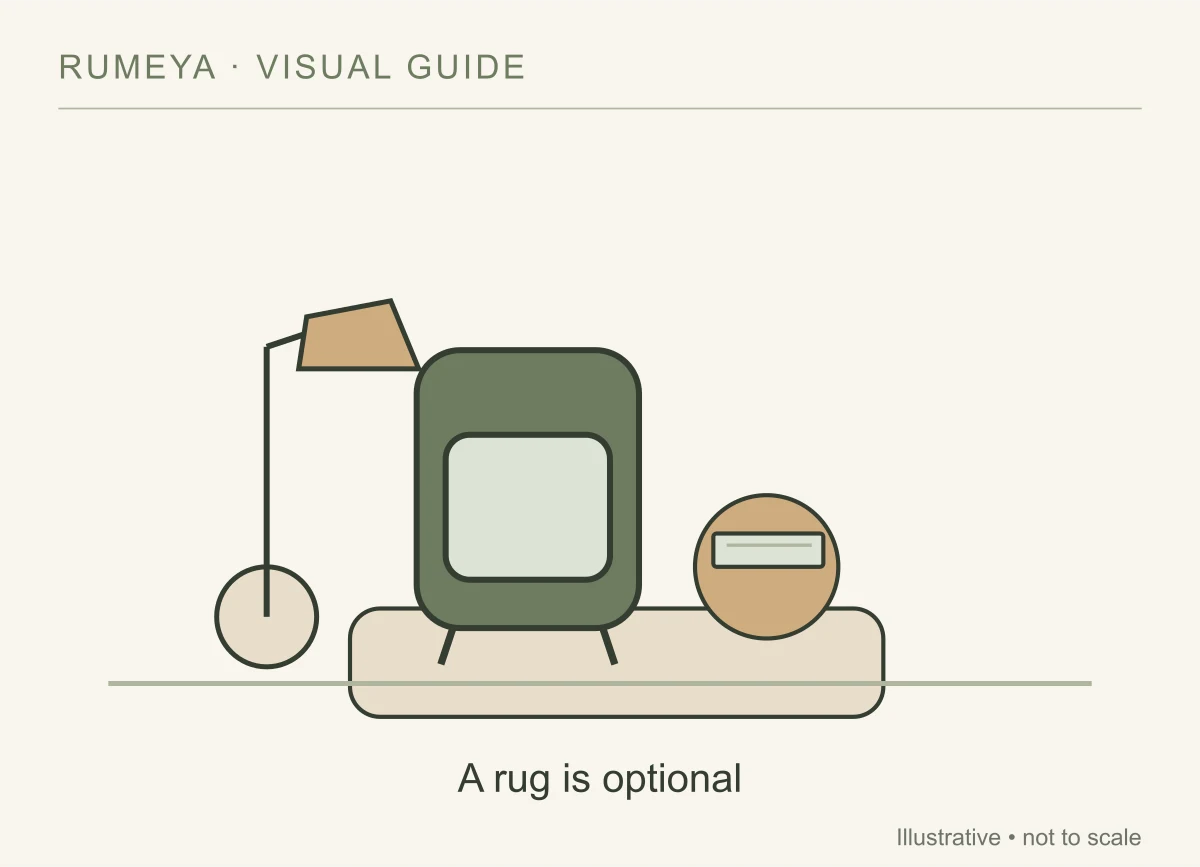
No. A rug can define the area, but it is optional. First make the seat, lighting, and access work. If you add a rug, check that its edges do not create an awkward place to catch a foot.
Sources and further reading